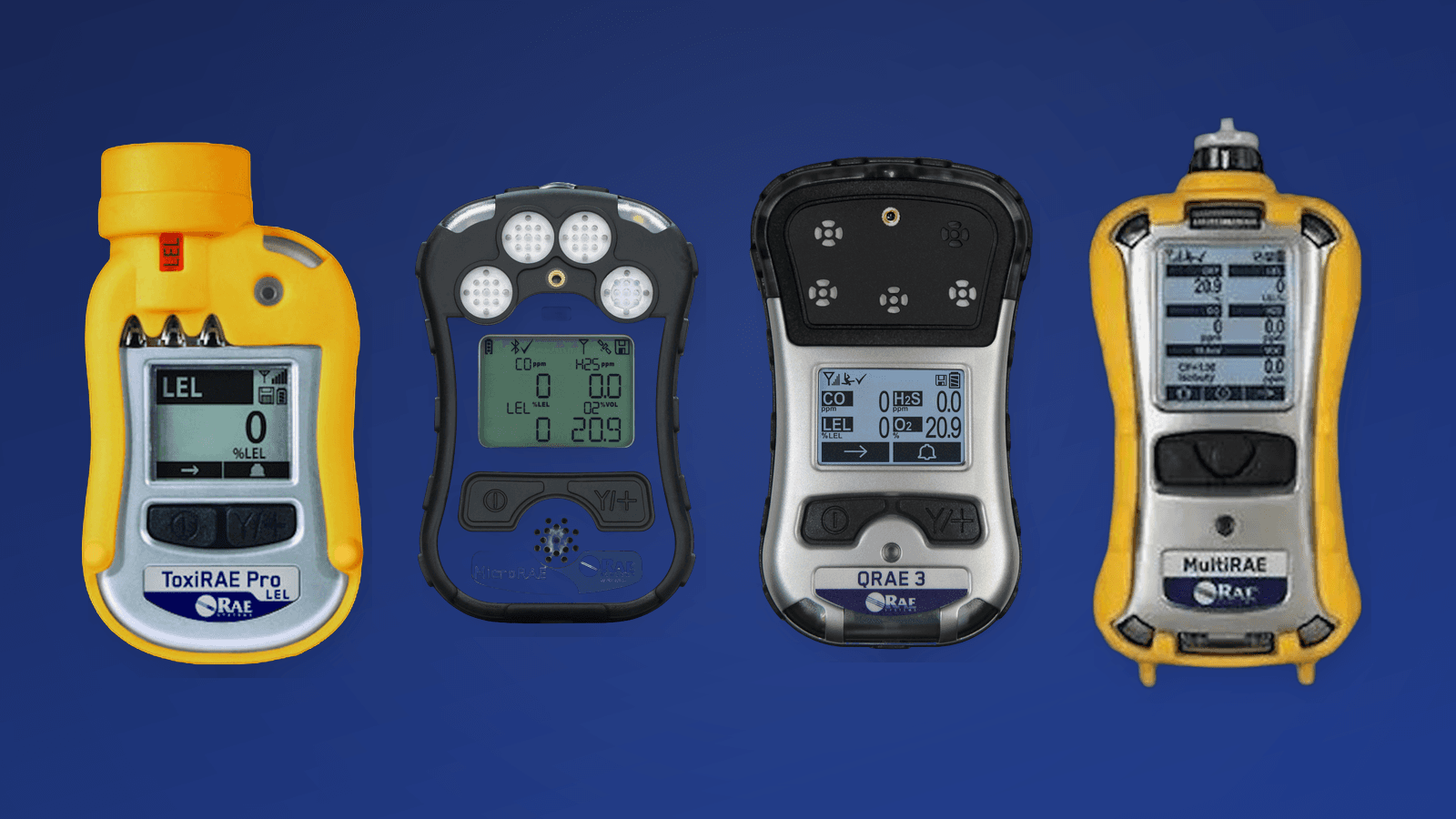
Choosing a single-gas vs multi-gas detector is one of the first decisions Australian safety managers make for confined space entry. The right instrument depends on the atmosphere you need to test, whether you are sampling from outside the space, and whether workers need a wearable monitor once they go in.
This guide compares Honeywell single-gas and multi-gas detectors, including the Honeywell BW Solo, ToxiRAE Pro, BW Ultra, MicroRAE, QRAE 3 and MultiRAE. It is a selection guide, not a substitute for a risk assessment or legal advice.
What confined space atmospheric testing involves
Safe Work Australia’s model Code of Practice: Confined spaces is a practical guide to managing work in a confined space. It is a model code: check with the work health and safety regulator in your jurisdiction to confirm whether it has legal effect where you operate.
The model code states that air monitoring should be carried out by a competent person using a suitable, correctly calibrated gas detector. While work is carried out in the space, the atmosphere should be tested for oxygen content, flammable contaminants, and potentially harmful contaminants, with hydrogen sulfide and carbon monoxide given as examples. A person’s senses should never be used to decide whether the air is safe. Initial testing should be done from outside, using a sample probe or portable detector. Because contaminants can settle at different levels — hydrogen sulfide is heavier than air and methane is lighter — each part of the space should be tested, side to side and top to bottom. Re-testing and continuous monitoring may be necessary if conditions may change because of the work or the disturbance of hazardous material.
That is why a single-gas monitor is rarely enough on its own for entry, and why pumped multi-gas instruments are widely used for pre-entry sampling.
When a single-gas detector is the right tool
A single-gas detector measures one target gas at a time. It is the better choice when a risk assessment shows a known, single atmospheric hazard — for example a hydrogen sulfide alarm on a wastewater task, or an oxygen monitor in a nitrogen-inerted area — and you do not need a four-gas entry instrument on every worker.
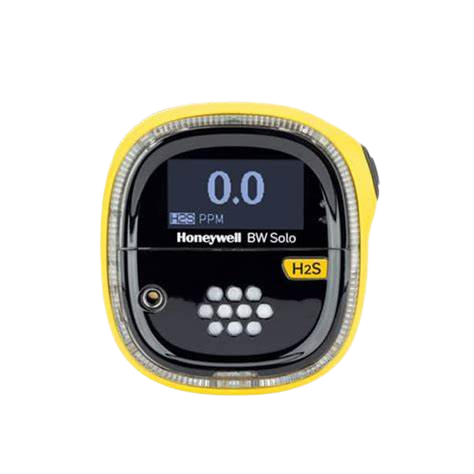
The Honeywell BW Solo is a field-serviceable personal single-gas detector. Honeywell lists interchangeable electrochemical sensors for toxic gases and oxygen, including hydrogen sulfide, carbon monoxide, oxygen, chlorine, ammonia, sulfur dioxide and other published gases, together with audible, visual and vibrating alarms and continuous datalogging (six months at five-second intervals). Wireless models add Bluetooth Low Energy.
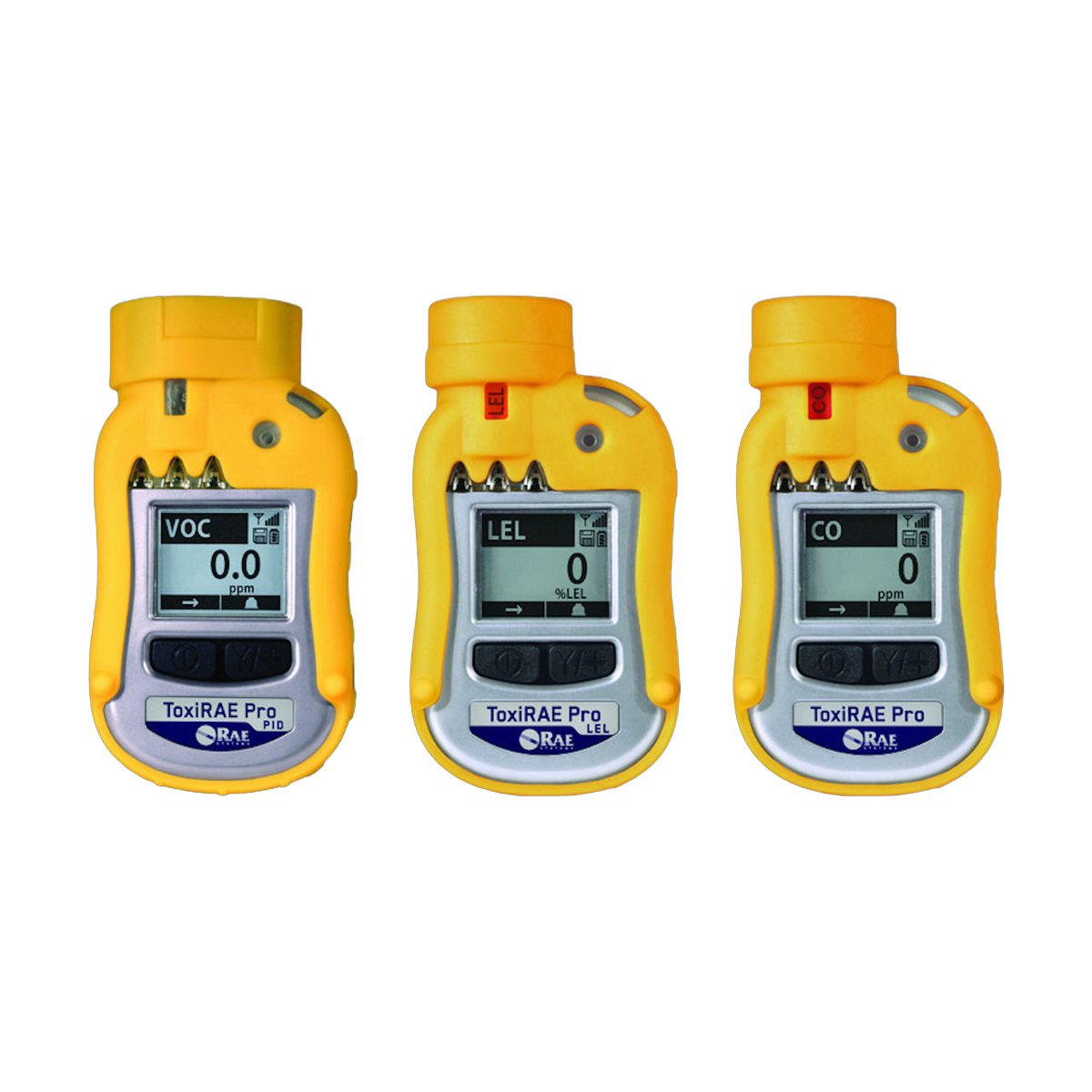
The Honeywell ToxiRAE Pro (PGM-1860) is a non-wireless personal single-gas monitor for toxic industrial chemicals, volatile organic compounds, carbon dioxide and oxygen, depending on the sensor fitted. It offers five-way alarm notification including man-down, up to three months of continuous data logging, and a field-replaceable battery, filter and sensor. Ingress protection is IP-54 on PID variants and IP-65 on electrochemical, LEL and carbon dioxide versions. Bump testing and calibration can be done manually or automatically with the AutoRAE 2 system.
Use single-gas instruments as personal alarms for a defined hazard, or when a multi-gas unit does not cover an exotic gas. Do not treat them as a complete confined-space entry kit unless the risk assessment points to a single contaminant.
When you need a multi-gas detector
For most confined space entries, a multi-gas detector is the practical starting point, because oxygen, flammable gas and common toxics can be present together, and conditions can change once work starts.
Four-gas wearables: MicroRAE and QRAE 3
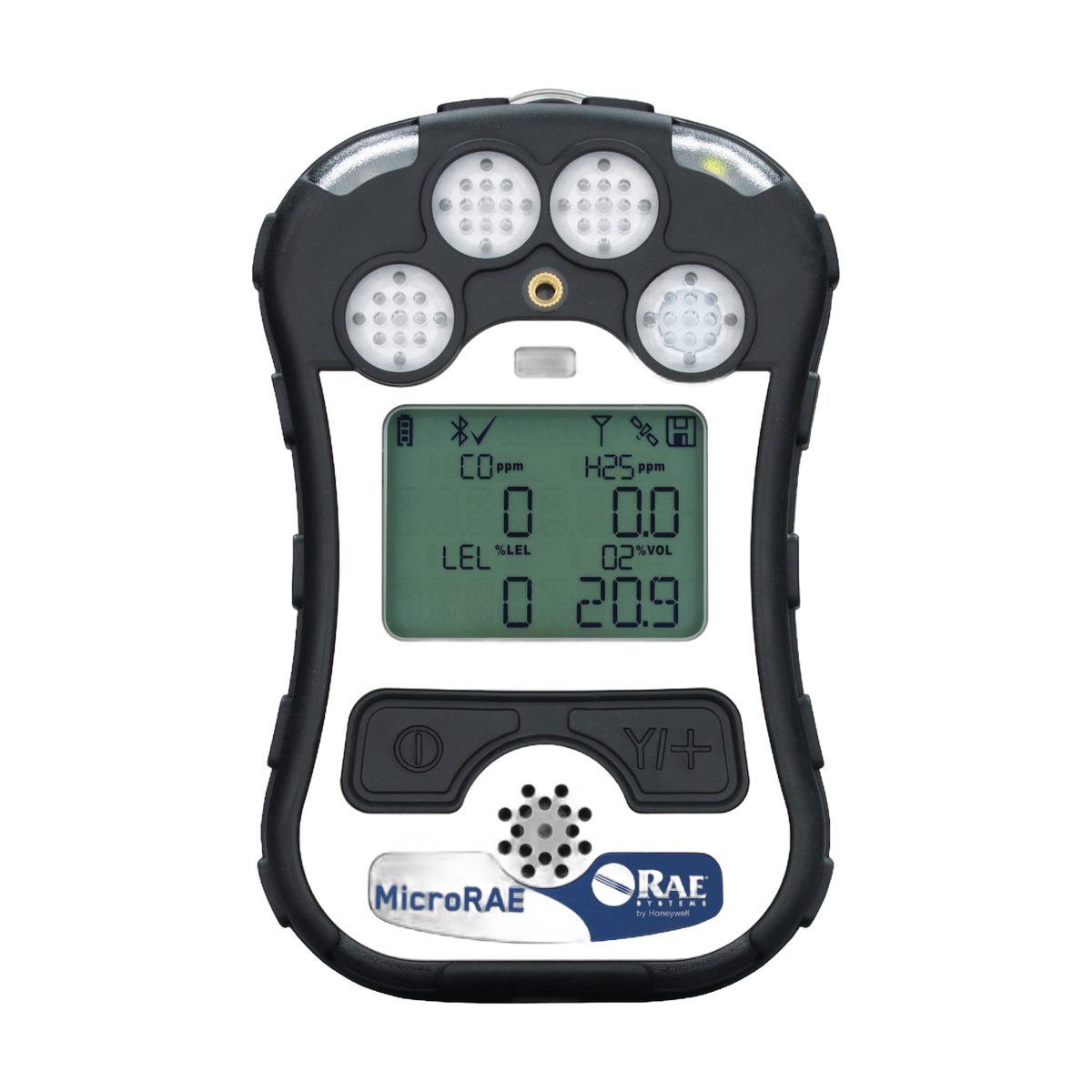
The Honeywell MicroRAE is a compact wireless four-gas diffusion monitor for hydrogen sulfide, carbon monoxide, oxygen and combustibles (LEL), with an optional hydrogen cyanide sensor. It weighs 206 g and is IP-67. Wireless options include Mesh, Wi-Fi or NB-IoT, plus Bluetooth Low Energy. Five-way local and remote alarm notification includes man-down.
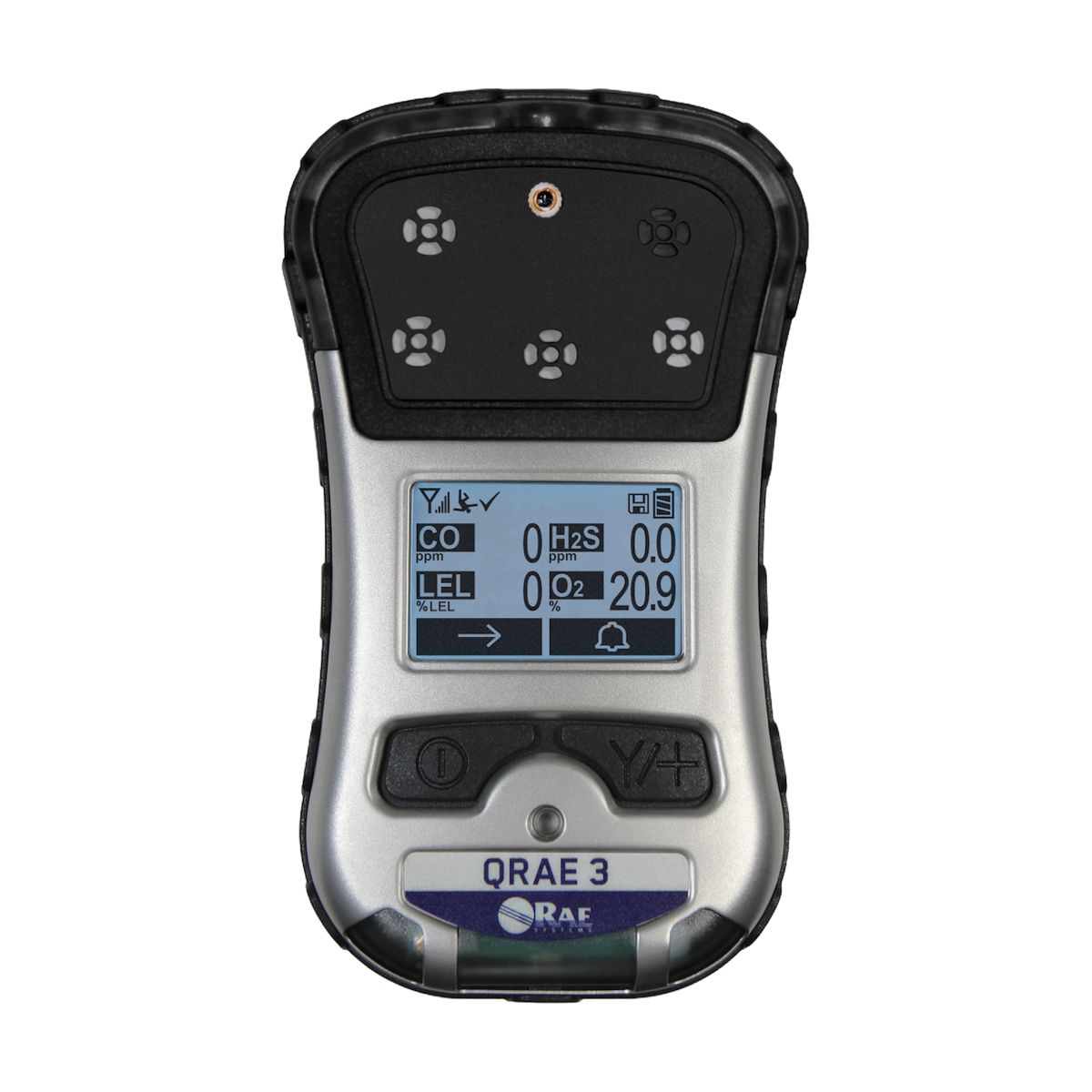
The Honeywell QRAE 3 is a rugged one- to four-sensor monitor in pumped or diffusion versions. Gases include oxygen, LEL, hydrogen sulfide, carbon monoxide, sulfur dioxide and hydrogen cyanide, with additional toxics available. The pumped version can sample through tubing up to 30 m, which supports testing from outside the space before anyone enters. Wireless readings and man-down alarms can be sent to ProRAE Guardian or an EchoView Host.
Five-gas and six-gas instruments: BW Ultra and MultiRAE
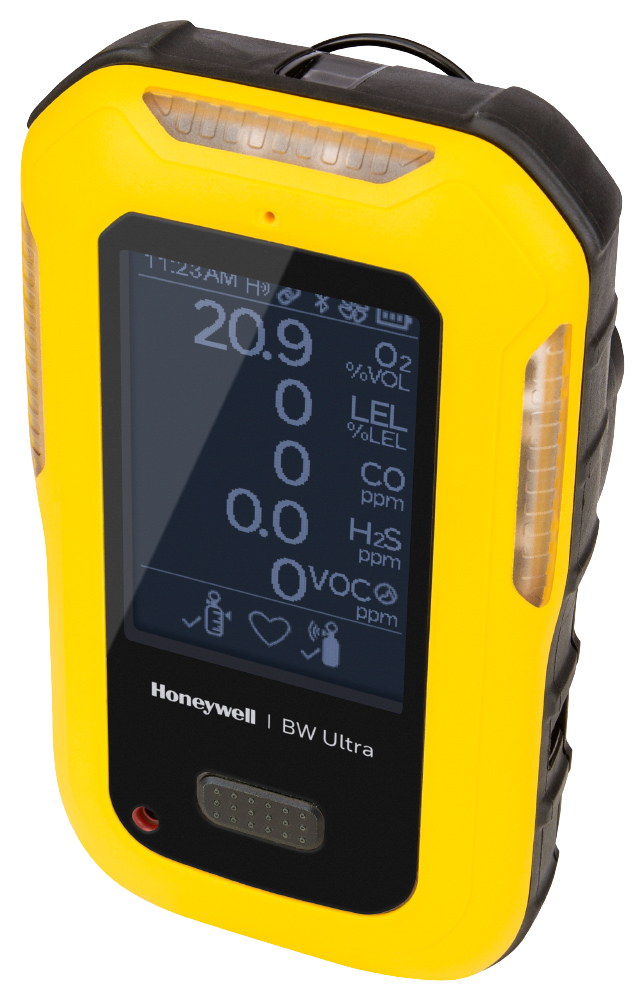
The Honeywell BW Ultra is a portable five-gas detector designed specifically for sampling and monitoring confined spaces. It is a handheld instrument with a built-in pump that can sample up to 75 ft (22.9 m). It monitors oxygen, LEL, hydrogen sulfide and carbon monoxide, plus a fifth sensor chosen from published options that include sulfur dioxide, ammonia, carbon dioxide, VOCs and other toxics. Honeywell lists IP66/68 protection and a typical battery life of 18 hours (14 hours with a PID or infrared sensor). Honeywell cautions that the LEL infrared sensor option cannot detect certain combustible gases, including hydrogen and acetylene, so the application should be reviewed.
The Honeywell MultiRAE (PGM-6228) accepts up to six gas sensors from 25 field-interchangeable options, including PID, NDIR and exotic sensors. The PID VOC range is 0 to 5,000 ppm with 0.1 ppm resolution, and onboard libraries cover 190 VOCs and 55 combustible gases. It has a built-in pump, IP65 protection, five local and remote alarms including man-down, and optional wireless. Runtime is about 12 hours, or about 18 hours with an extended pack. Choose MultiRAE when solvents or fuels are credible hazards.
Single-gas vs multi-gas at a glance
| Question | Single-gas (BW Solo, ToxiRAE Pro) | Multi-gas (MicroRAE, QRAE 3, BW Ultra, MultiRAE) |
|---|---|---|
| Best for | A known, single atmospheric hazard and personal alarming | Confined space entry, pre-entry sampling and changing atmospheres |
| Typical sensors | One toxic, oxygen, LEL or PID sensor, depending on the model | Four gases as a baseline; five or six gases when VOCs or extra toxics are in play |
| Pre-entry sampling from outside | Not the primary role of a clip-on single-gas alarm | Pumped QRAE 3, BW Ultra and MultiRAE |
| Wireless and man-down | BW Solo wireless models use BLE; ToxiRAE Pro PGM-1860 is non-wireless | MicroRAE, QRAE 3 and MultiRAE offer local and remote alarms, including man-down |
How to decide
- Start with the risk assessment: which gases could be present, and can conditions change once work starts?
- If you must test from outside before entry, specify a pumped multi-gas detector with enough tubing to reach remote parts of the space.
- For workers inside the space, a wearable four-gas monitor such as MicroRAE or a diffusion QRAE 3 supports continuous personal monitoring.
- Add a fifth or sixth sensor — or a dedicated PID — when solvents, fuels or other process chemicals are credible hazards.
- Keep single-gas detectors for well-defined, single-hazard tasks and as complementary personal alarms.
- Plan bump testing and calibration. Several RAE instruments are compatible with the AutoRAE 2 automatic test and calibration system.
If you need help matching a Honeywell detector to a confined space program, request a quote from Territory Instruments. Have the gases, sampling method and wireless needs ready so the configuration can be specified accurately.
Frequently asked questions
Is a four-gas monitor always enough for confined space entry?
A four-gas combination of oxygen, combustibles, hydrogen sulfide and carbon monoxide covers the contaminants highlighted as examples in Safe Work Australia’s model code, but it is not automatically enough. If the process can release solvents, fuels or other toxics, you may need a fifth sensor or a PID as well.
Should I use a pumped or a diffusion detector?
Use a pumped instrument to test from outside the space and to reach different levels with tubing. Diffusion wearables such as the MicroRAE are suited to continuous personal monitoring once a worker is in the atmosphere. QRAE 3 is offered in both pumped and diffusion versions.
Can I rely on a single-gas detector if I already know the gas?
Only if the risk assessment supports a single hazard and you have also addressed oxygen and flammable risk. A single-gas detector is useful as a personal alarm for a defined gas, not as a default entry instrument.
How often should detectors be bump tested and calibrated?
Follow the manufacturer’s instructions and your site procedure, and use a correctly calibrated detector. AutoRAE 2 can automate bump testing, calibration, charging and records for supported RAE instruments, including ToxiRAE Pro, QRAE 3, MicroRAE and MultiRAE.