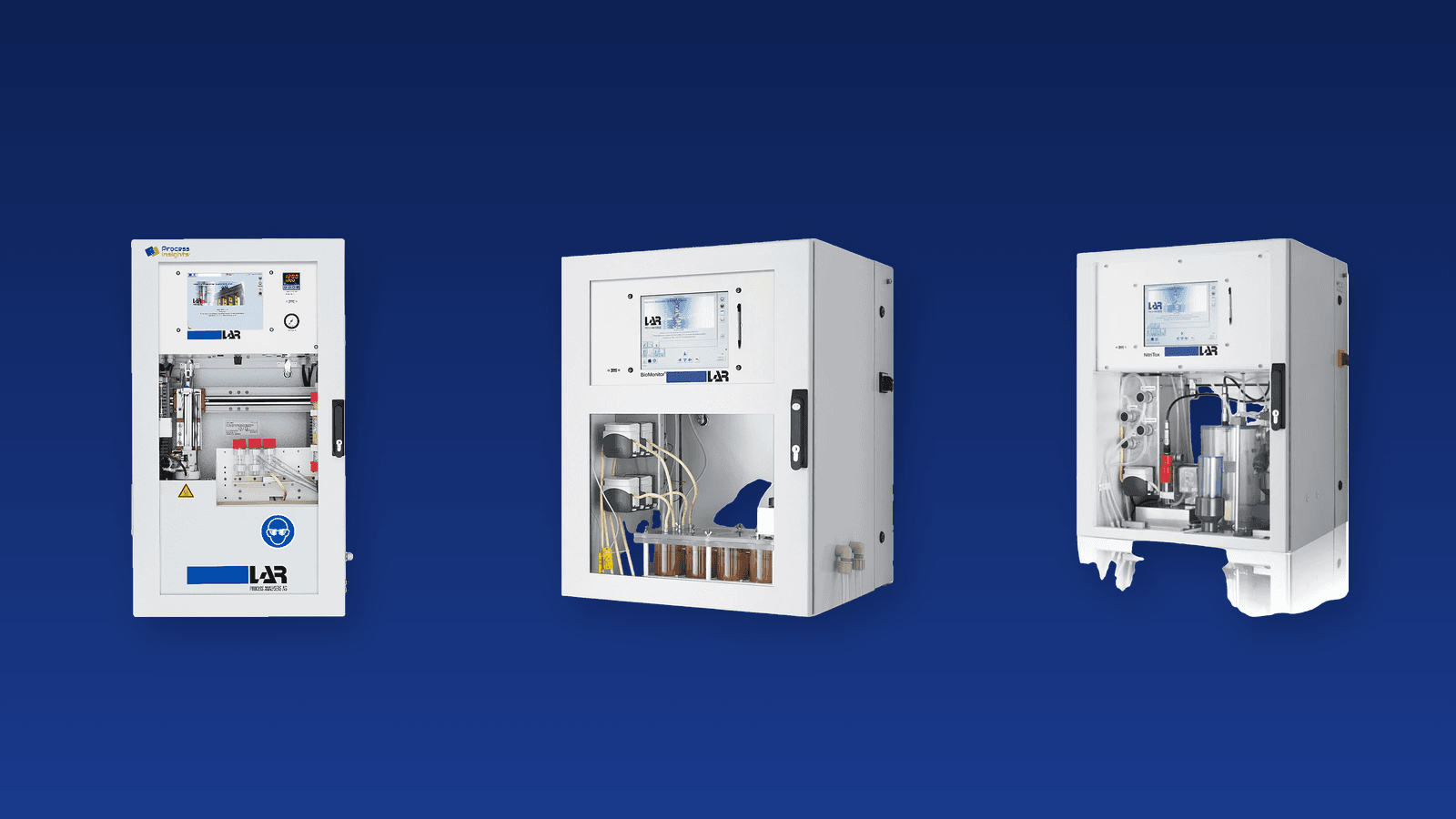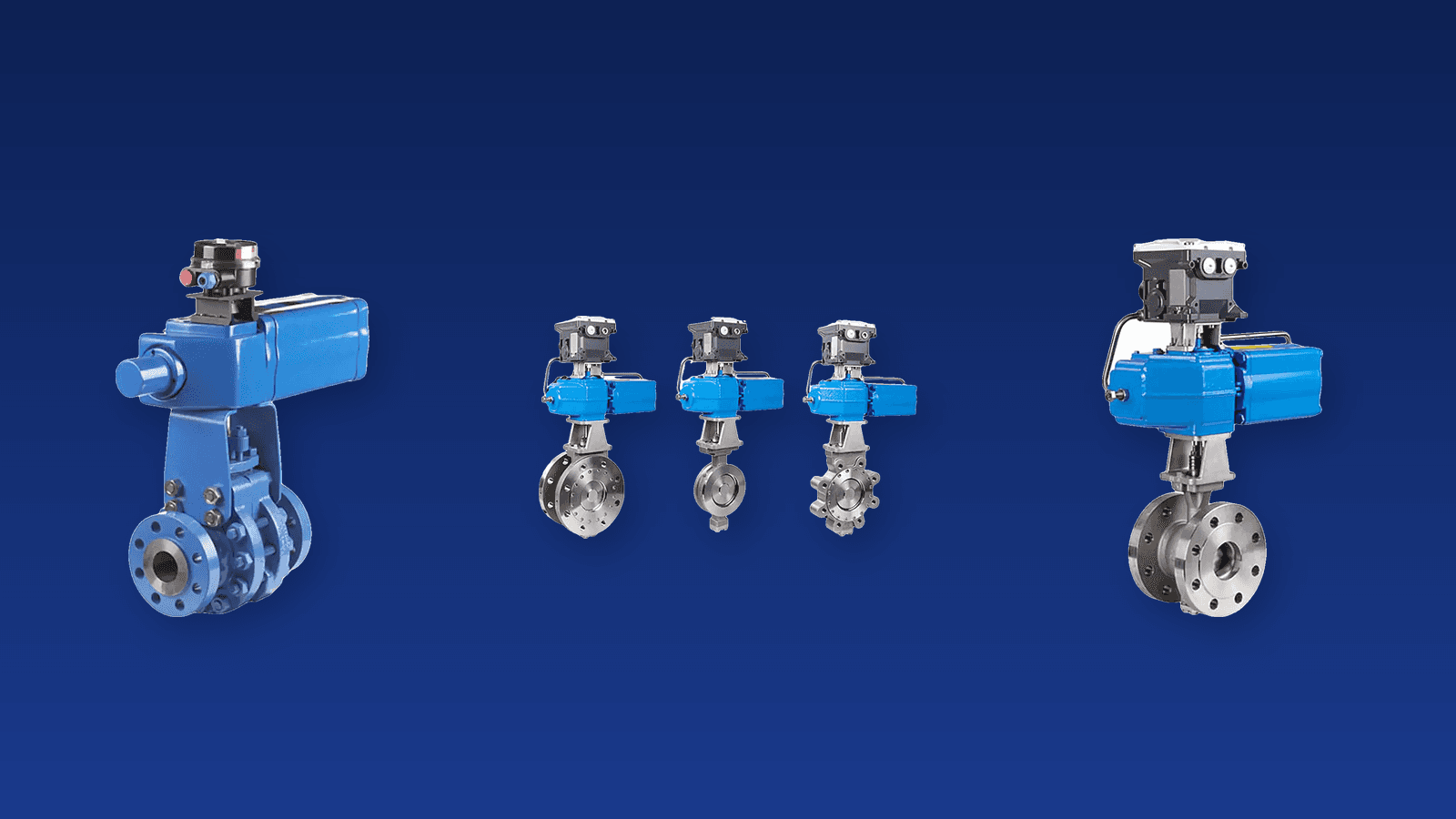
Gas analyser selection starts with three questions: what you need to measure, at what concentration, and in how many streams. A single trace impurity at parts per billion in a high-purity gas, a dozen components across several process streams, and the heating value of a fuel gas are three very different jobs, and they suit three different technologies.
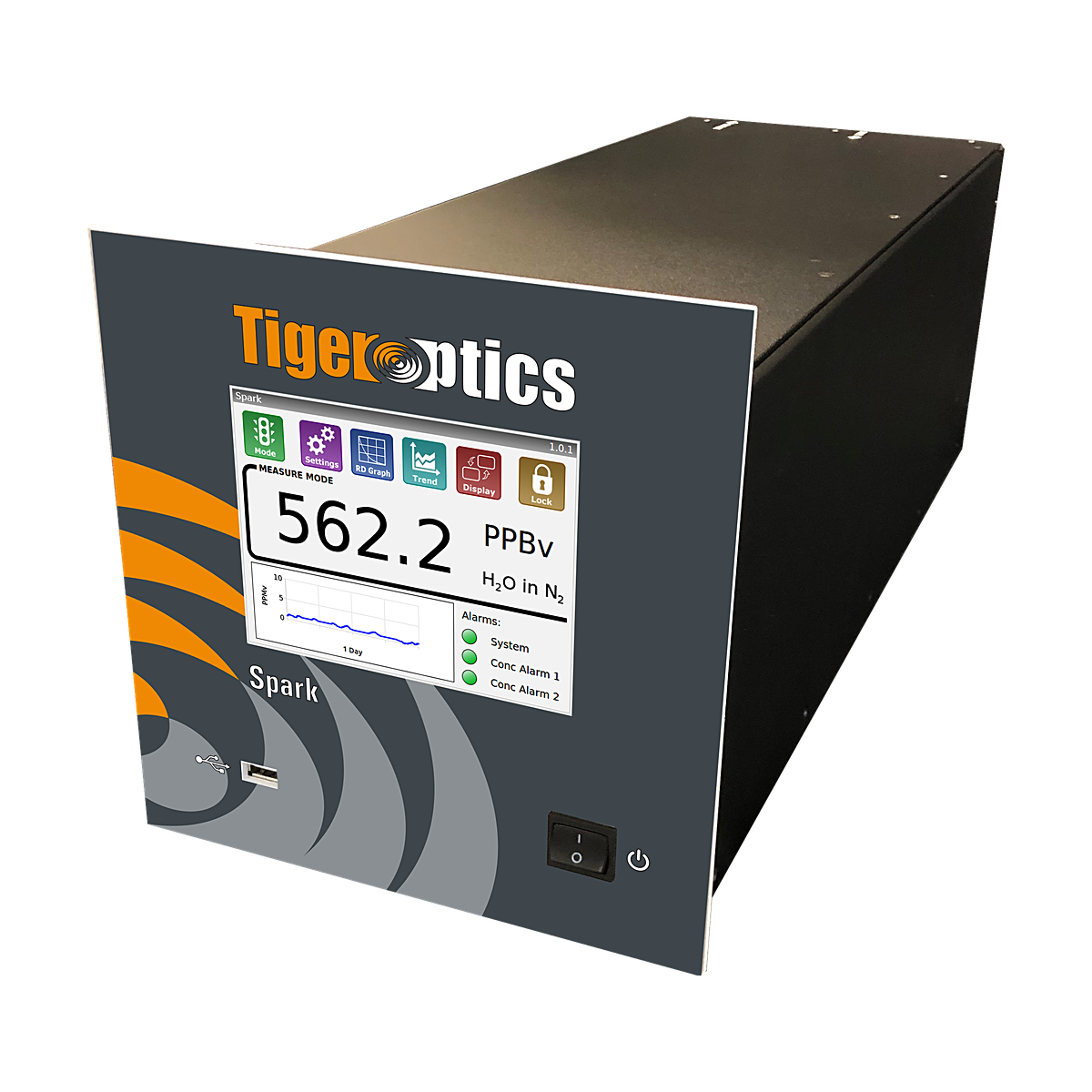
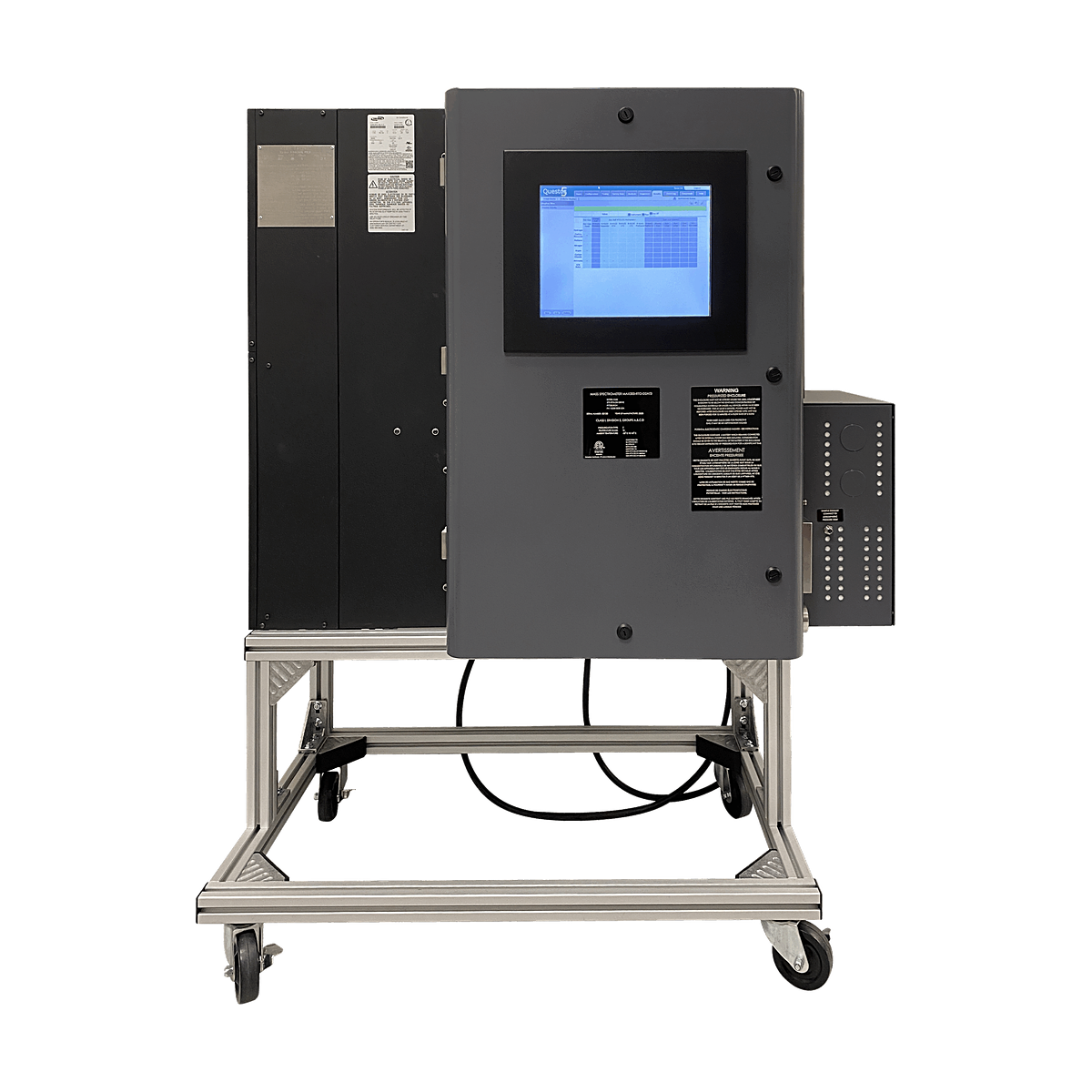
Process Insights covers all three. Tiger Optics analysers use laser cavity ring-down spectroscopy (CRDS), Extrel analysers use quadrupole mass spectrometry, and COSA Xentaur supplies calorimeters for fuel gas quality and dew point instruments for moisture. This guide compares them using examples such as the Tiger Optics Spark H2O, the Extrel MAX300-RTG 2.0 and the COSA Xentaur 9610 CXc.
Laser CRDS: trace impurities in high-purity gas
CRDS analysers are built around one or a few target molecules and measure them at very low levels. They suit purity checks on bulk, specialty and semiconductor gases, hydrogen quality and ambient monitoring.
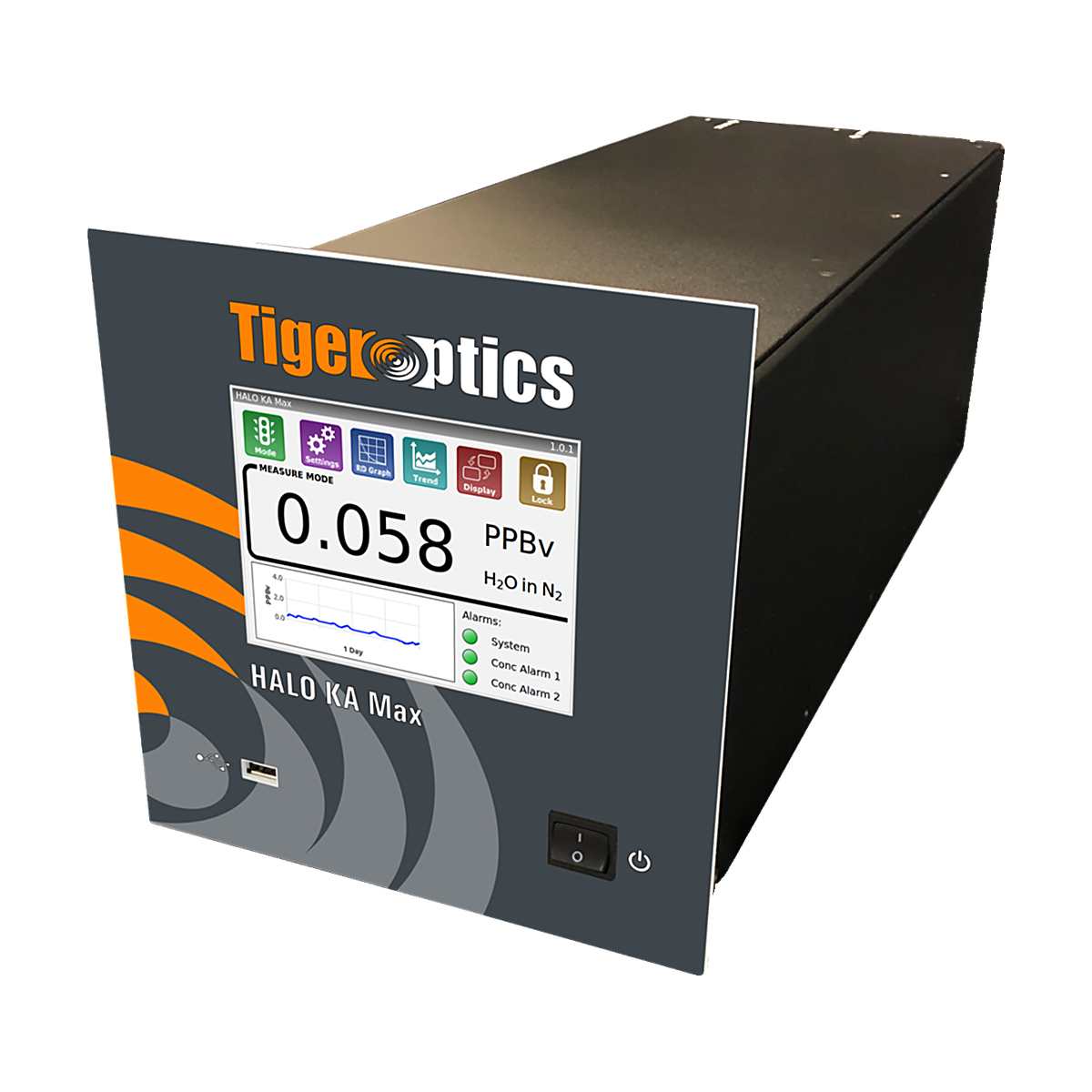
- The Spark H2O measures moisture from 0 to 2000 ppm in nitrogen, with lower detection limits of 12 ppb in nitrogen, 4.5 ppb in argon and 3 ppb in helium, response under 3 minutes to 90% and no calibration required.
- For ultra-trace work, the HALO KA Max H2O covers 0–5 ppm with a 100 ppt detection limit and response under 2 minutes to 95%.
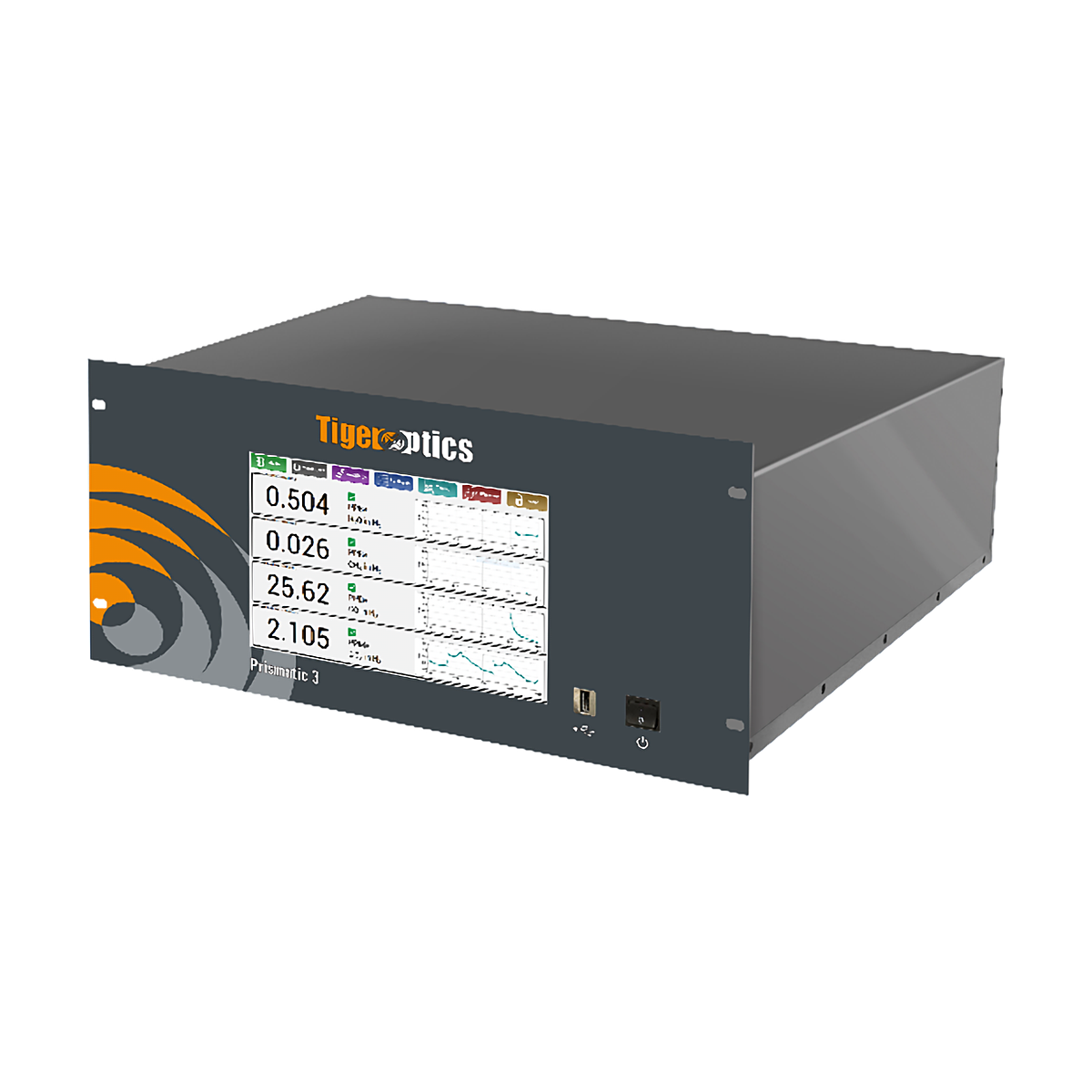
- The Prismatic 3 measures H2O, CO, CO2, CH4 and NH3 at the same time and is aimed at fuel-cell hydrogen purity to SAE J2719 and ISO 14687.
- Single-species models include the T-I Max EtO for ethylene oxide (0–10 ppm, 1.0 ppb detection limit), the HALO Max QCL CO for carbon monoxide (200 ppt detection limit) and the T-I Max AIR GHG for ambient CH4, CO2 and H2O, with methane precision of 1 ppb over 5 minutes.
Process mass spectrometry: many components, many streams
A quadrupole mass spectrometer separates gas molecules by mass, so one analyser can report many components at once across a wide concentration range and switch between sample streams. Extrel describes this as an alternative to running a separate analyser for each component.
- The MAX300-RTG 2.0 detects from 100% down to 5 ppm on its Faraday detector, to 5 ppb with the electron multiplier and to 10 ppt with a membrane inlet. It handles 16 streams as standard (up to 160+), takes 0.1–16 s per component, and is available for general purpose, Class 1 Div 2 or ATEX/IEC Zone 2 areas.
- The MAX300-AIR is set up for ambient air and fenceline monitoring, from 100% down to 10 ppb at under 0.4 s per component.
- The MAX300-TGM monitors 15 or more toxic gases across up to 46 sample points, and the MAX300-BIO reports OUR, CER and RQ from bioreactor off-gas.
Calorimeters and dew point: fuel gas quality and moisture
Some jobs need a property rather than a full composition. Burner and turbine control needs the Wobbe Index or heating value of the fuel, and gas systems need to know their dew point.
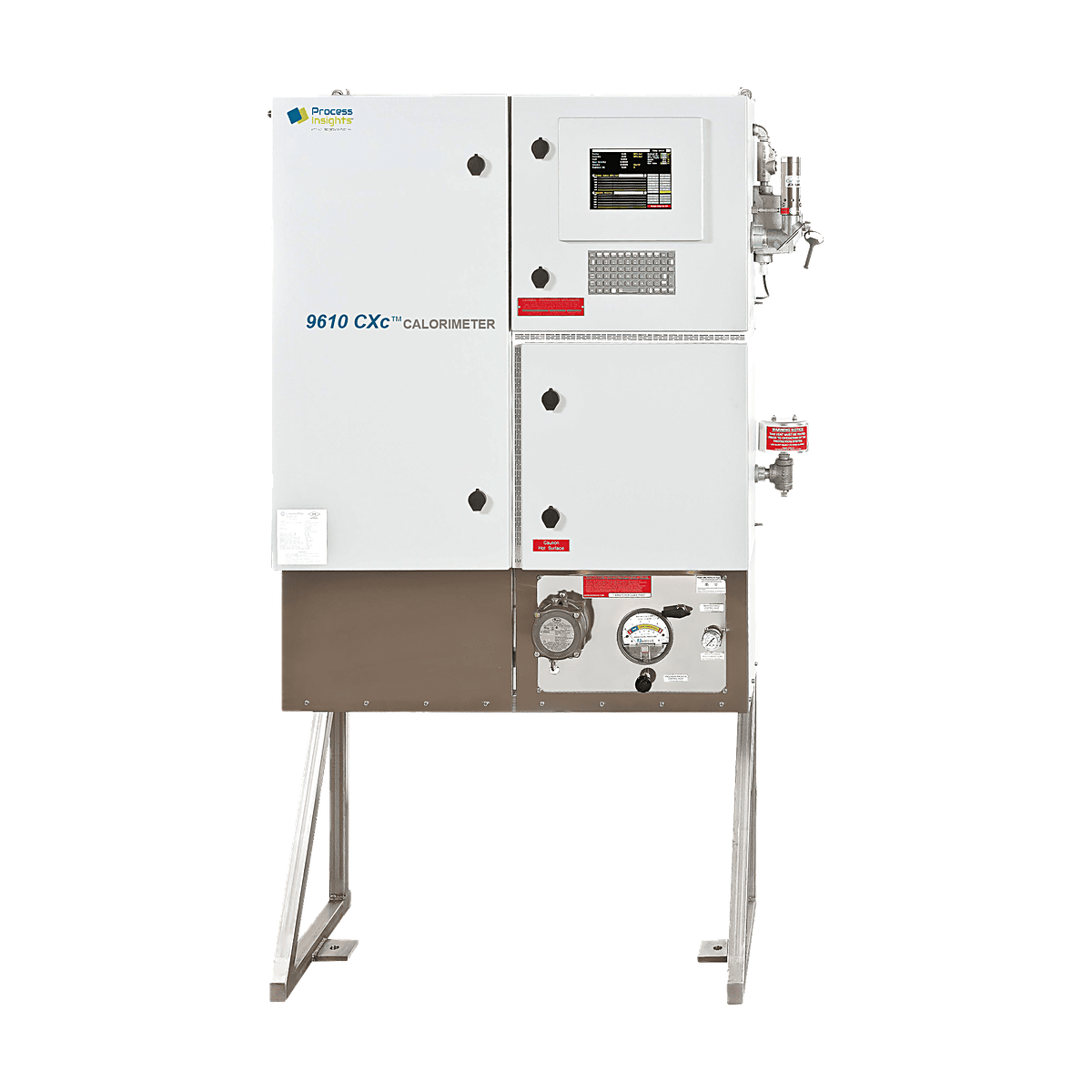
- The 9610 CXc measures Wobbe Index, heating value and CARI by the residual oxygen method, with T90 under 5 s for Wobbe and accuracy of ±0.4% of reading on natural gas. It carries ATEX/IECEx Ex ib px(b) IIC T3 Gb and Class I Div 2 approvals.
- The 9800 CXi uses injection-style measurement in a 1,000 °C flameless furnace and returns most of the sample gas to the process, which suits flare gas monitoring.
- For moisture, the HDT Series is a loop-powered HART transmitter covering -100 to +20 °C dew point with ATEX Ex ia approval, and the XPDM is a battery-powered handheld meter for spot checks over the same range.
| Laser CRDS (Tiger Optics) | Mass spectrometry (Extrel) | Calorimeter and dew point (COSA Xentaur) | |
|---|---|---|---|
| Measures | One or a few target species | Many components at once | Heating value, Wobbe Index, CARI or dew point |
| Typical levels | ppm down to ppt | 100% down to ppb (ppt with membrane inlet) | Fuel gas property; -100 to +20 °C dew point |
| Streams | Usually one sample point per analyser | 16 streams standard on the RTG, up to 160+ | One stream or measuring point |
| Examples | Spark H2O, HALO KA Max, Prismatic 3, T-I Max EtO | MAX300-RTG 2.0, MAX300-AIR, MAX300-TGM | 9610 CXc, 9800 CXi, HDT, XPDM |
| Typical sectors | Industrial and specialty gases, semiconductor, hydrogen | Chemical, refining, environmental, bioprocess | Natural gas, refinery and flare gas, compressed air |
Selection checklist
- List every component you need to report, with the expected concentration range and the lowest level that matters.
- If it is one or a few impurities at ppb or ppt in a clean gas, start with a Tiger Optics CRDS analyser.
- If you need many components, a wide concentration range or several sample streams, look at an Extrel MAX300 mass spectrometer.
- If the control variable is fuel quality, use a COSA Xentaur calorimeter; if it is moisture, use a dew point transmitter or portable meter.
- Confirm the area classification, sample pressure, utilities and outputs against the Process Insights data sheet for your duty.
Territory Instruments can quote Tiger Optics, Extrel and COSA Xentaur analysers from Process Insights with the details of your gas and application.
Frequently asked questions
What is CRDS?
Cavity ring-down spectroscopy measures how quickly laser light decays inside an optical cavity filled with the sample gas. Absorption by the target molecule shortens that decay time, which allows very low detection limits. Tiger Optics uses it across its trace moisture and impurity analysers.
When does a mass spectrometer make more sense than several single-gas analysers?
When you need many components or several sample streams from one system. The MAX300-RTG 2.0 measures multiple components simultaneously from 100% down to ppb levels and can switch between 16 or more streams.
Can a dew point transmitter go in a hazardous area?
Yes, if it carries the right approval. The COSA Xentaur HDT Series is listed with ATEX Ex ia IIC T6/T4 Ga and intrinsically safe Class I–III Div 1 approvals.