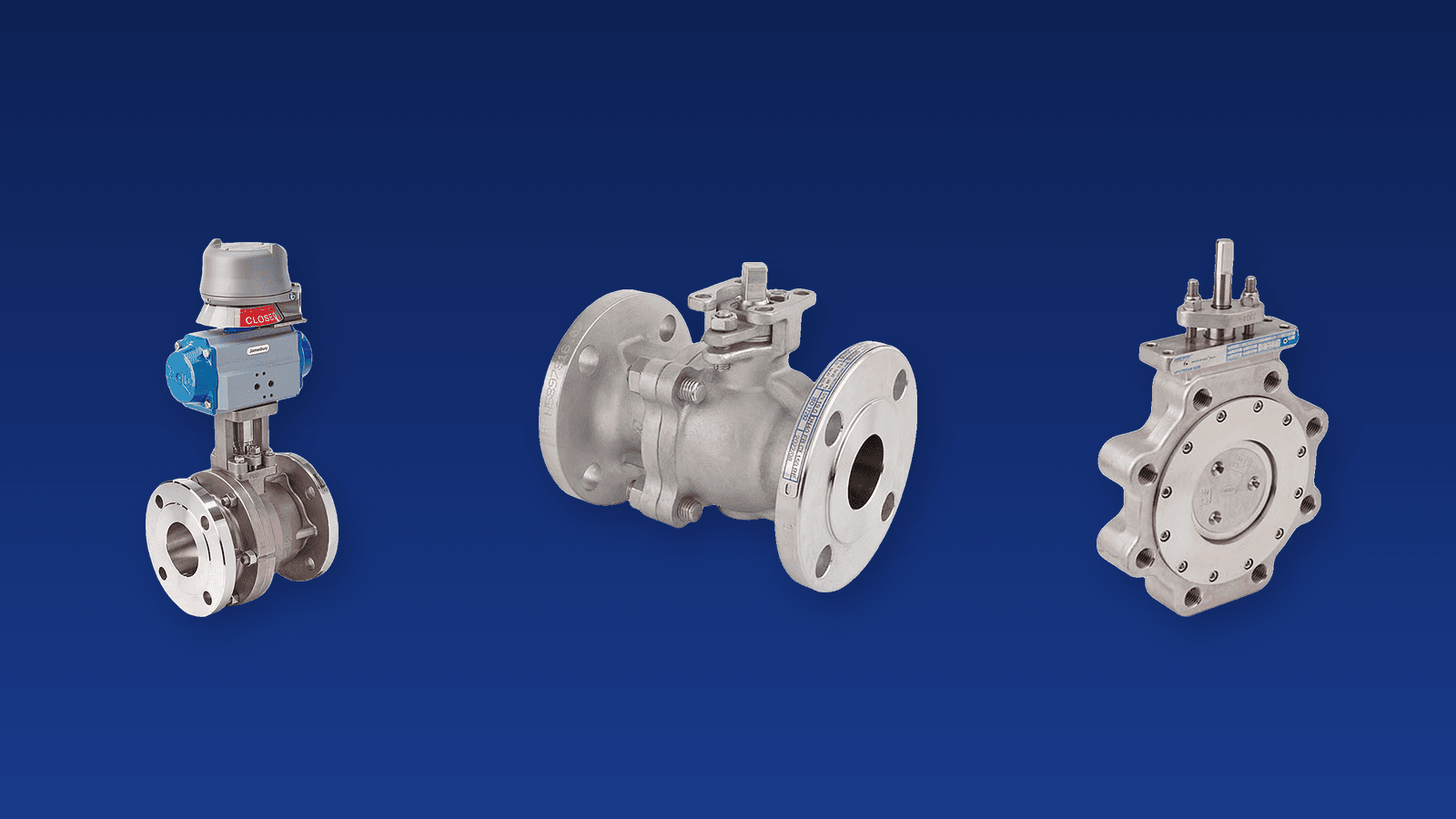
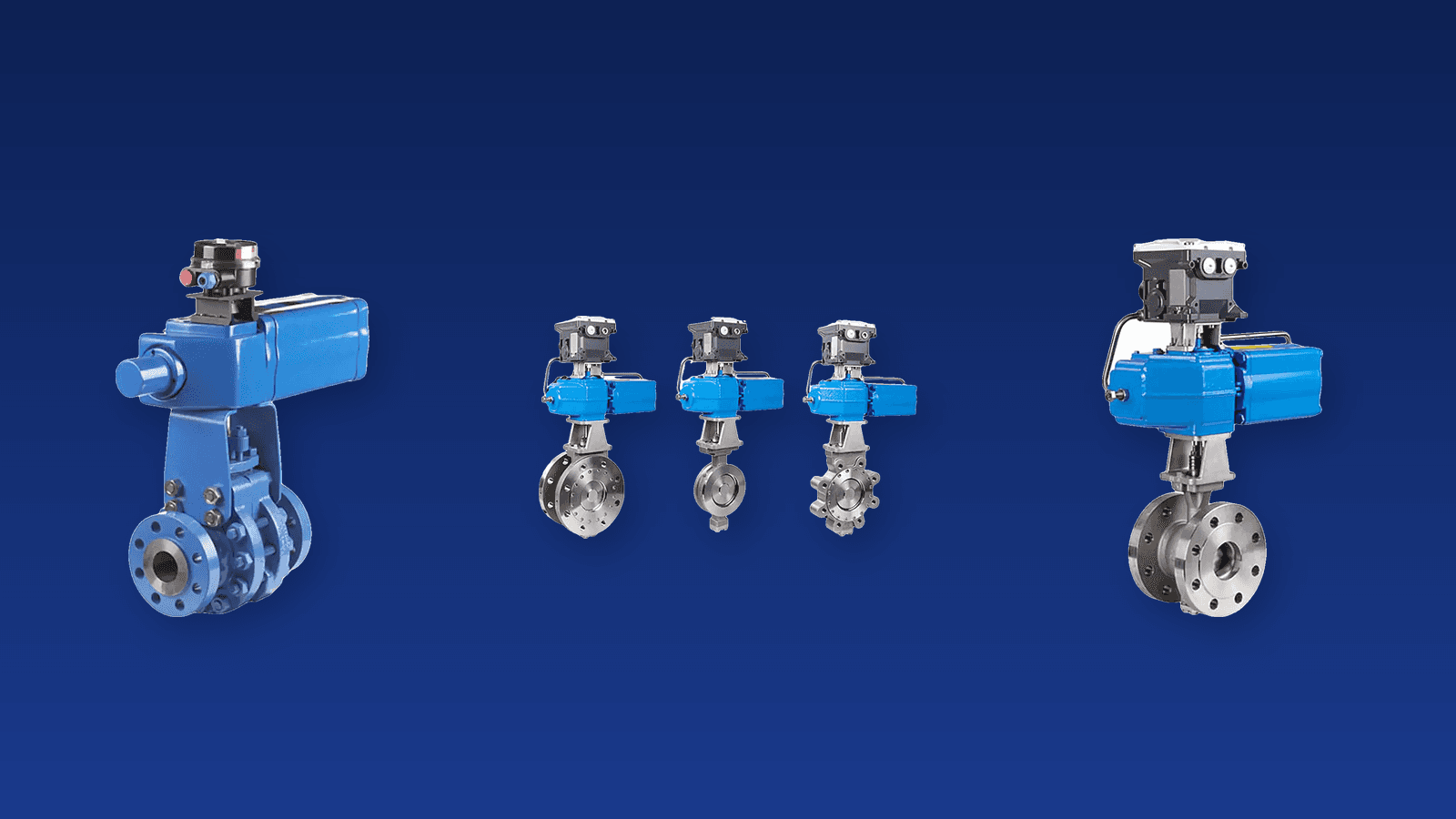
Ball vs butterfly vs segment valve is one of the first decisions on any rotary valve specification. All three are quarter-turn valves that pair with the same kinds of pneumatic or electric actuators, but the closure member changes how the valve seals, how it controls and how it copes with solids. Choosing the right style first makes sizing, actuation and maintenance much easier later.
This guide compares the three styles using the Valmet Neles™ range, from the Neles D-Series trunnion ball valve to the Neldisc™ L6/LW/LG butterfly valves and the R-Series segment valves.
Ball valves: tight isolation and severe service
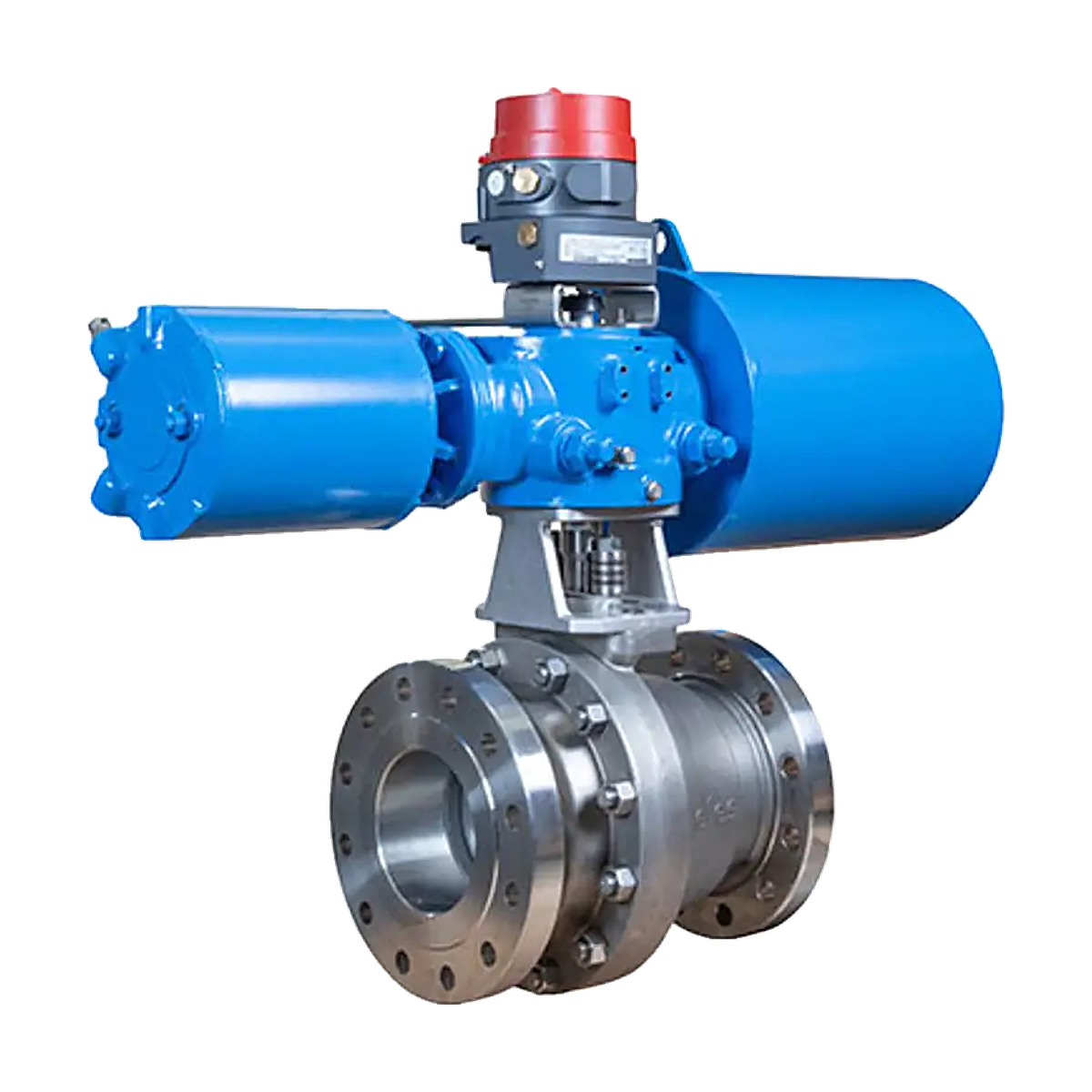
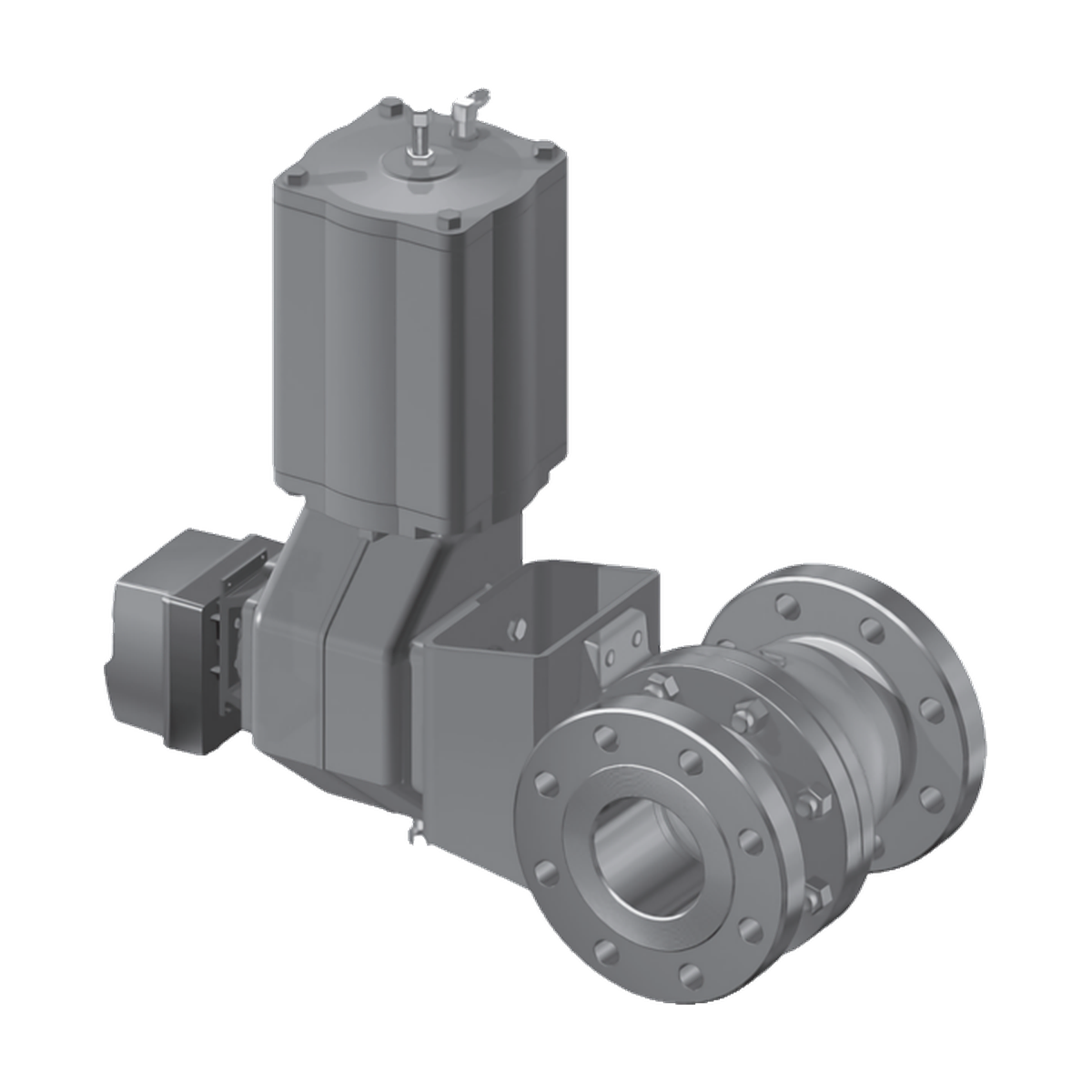
A ball valve rotates a bored ball through 90 degrees. Full-bore designs leave an unobstructed flow path when open, and the seat wraps around the ball, which is why ball valves are the default for tight shut-off and safety duties.
- The Neles D-Series is a trunnion-mounted ball valve with metal-to-metal seats, in sizes from DN 50 to DN 900 and ratings to ASME 600 / PN 100. Valmet lists it for ESD/ESV service (SIL 3), HIPPS, blowdown, LNG and natural gas, with optional Neles Q-trim™ for noise and cavitation control.
- The Neles Series X is a modular trunnion ball valve from DN 50 to DN 600 with application-based seat selection and an operating range of -50 °C to +600 °C.
- For pulp and paper lines, the M1-Series modular ball valve covers DN 25–600 in seat-supported and trunnion-mounted designs.
Butterfly valves: large sizes with low weight
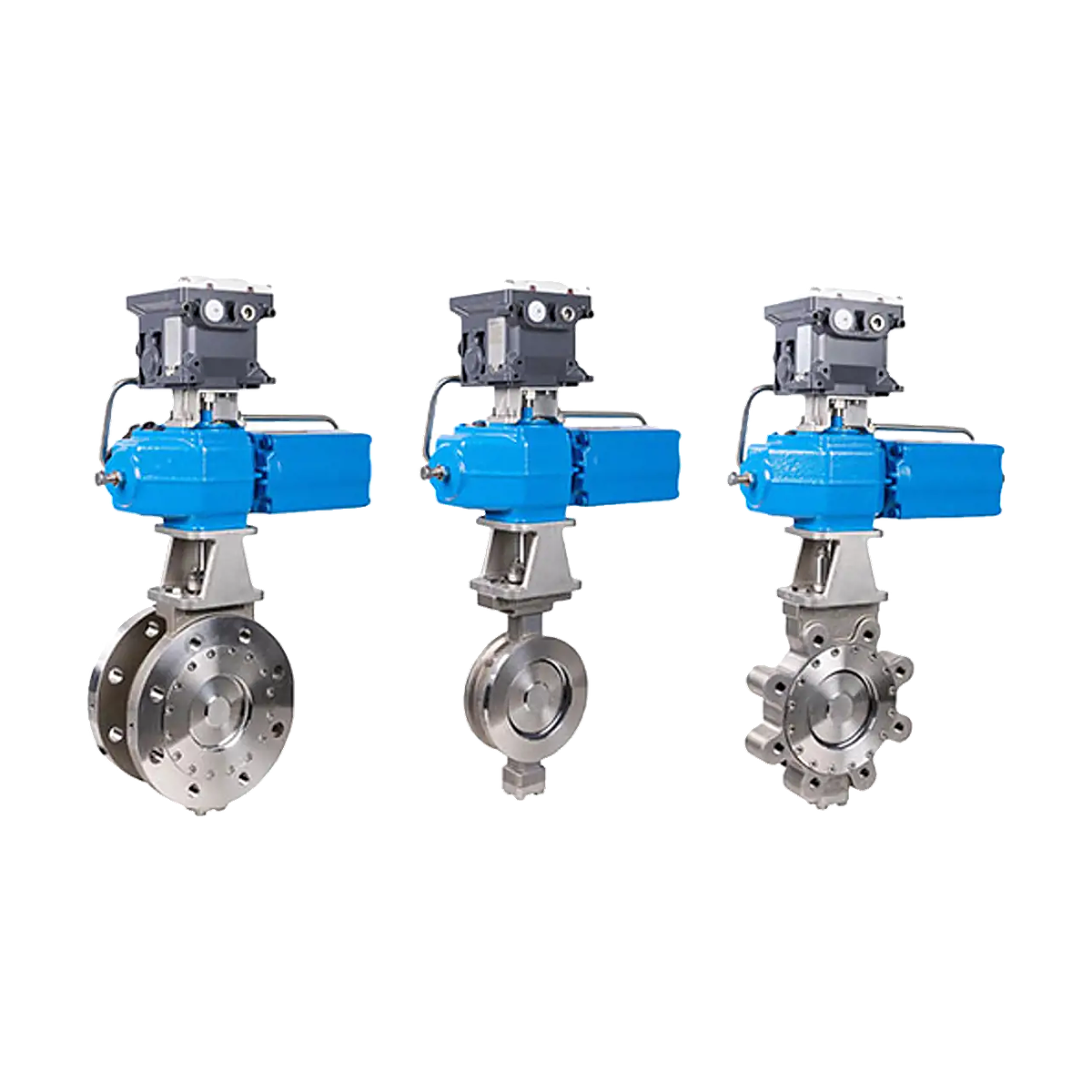
A butterfly valve turns a disc in the flow stream. The body is short and light compared with a ball valve of the same size, which matters on large lines. Offset (eccentric) disc designs lift the disc away from the seat as it opens, reducing wear and allowing tight shut-off.
- The Neldisc L6, LW and LG triple eccentric butterfly valves offer near equal-percentage flow characteristics for control as well as shut-off. The double-flanged L6 runs from DN 80 to DN 2200, and all three cover -200 °C to +600 °C.
- The BW-Series is a metal-seated double eccentric butterfly valve for severe service up to ASME 2500, covering refining, power, petrochemical and steel mill gas duties.
- For industrial gas and air separation, the BN-Series is a cost-effective full-bore butterfly valve with an eccentric soft seat, from DN 80 to DN 1600.
Segment valves: control with high capacity and rangeability
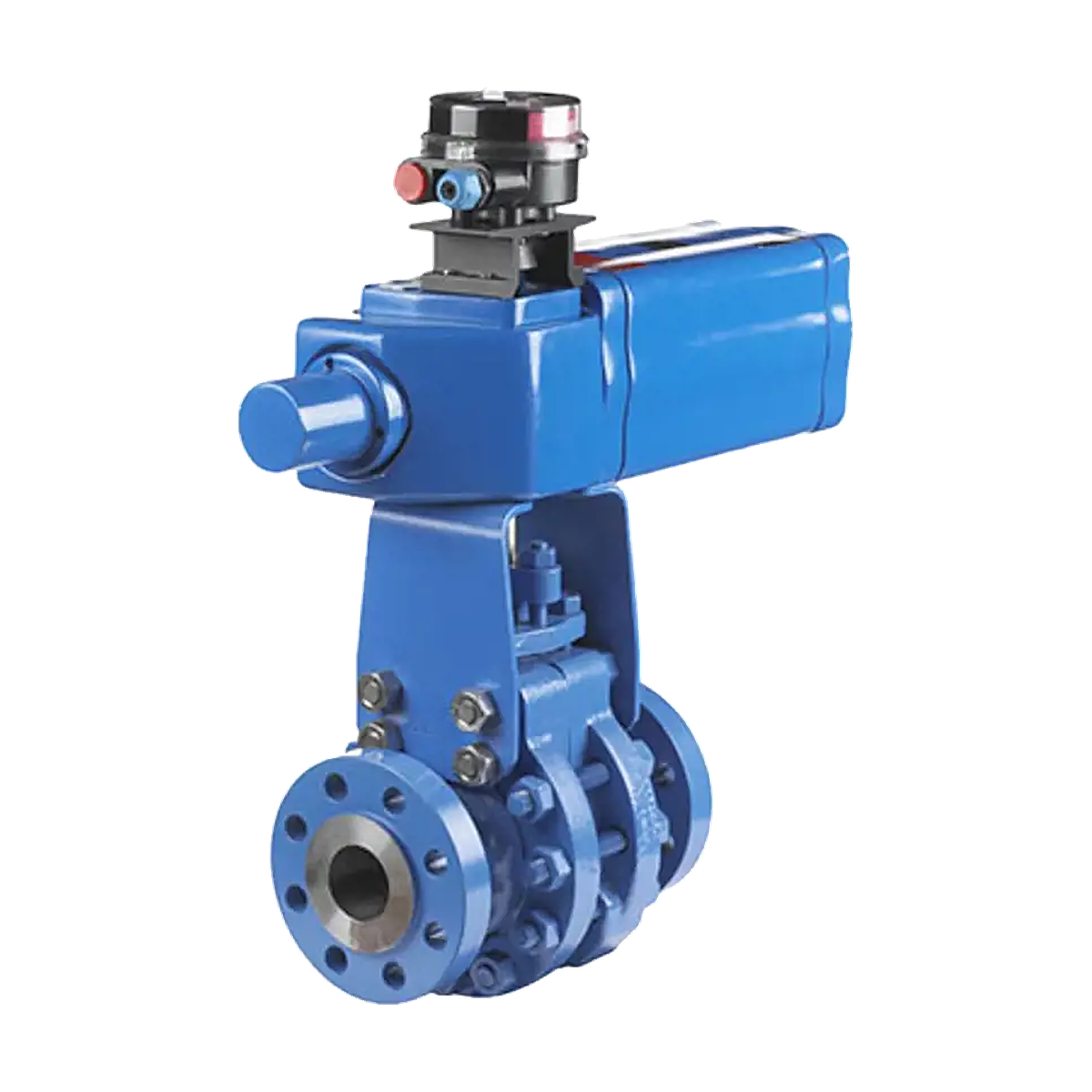
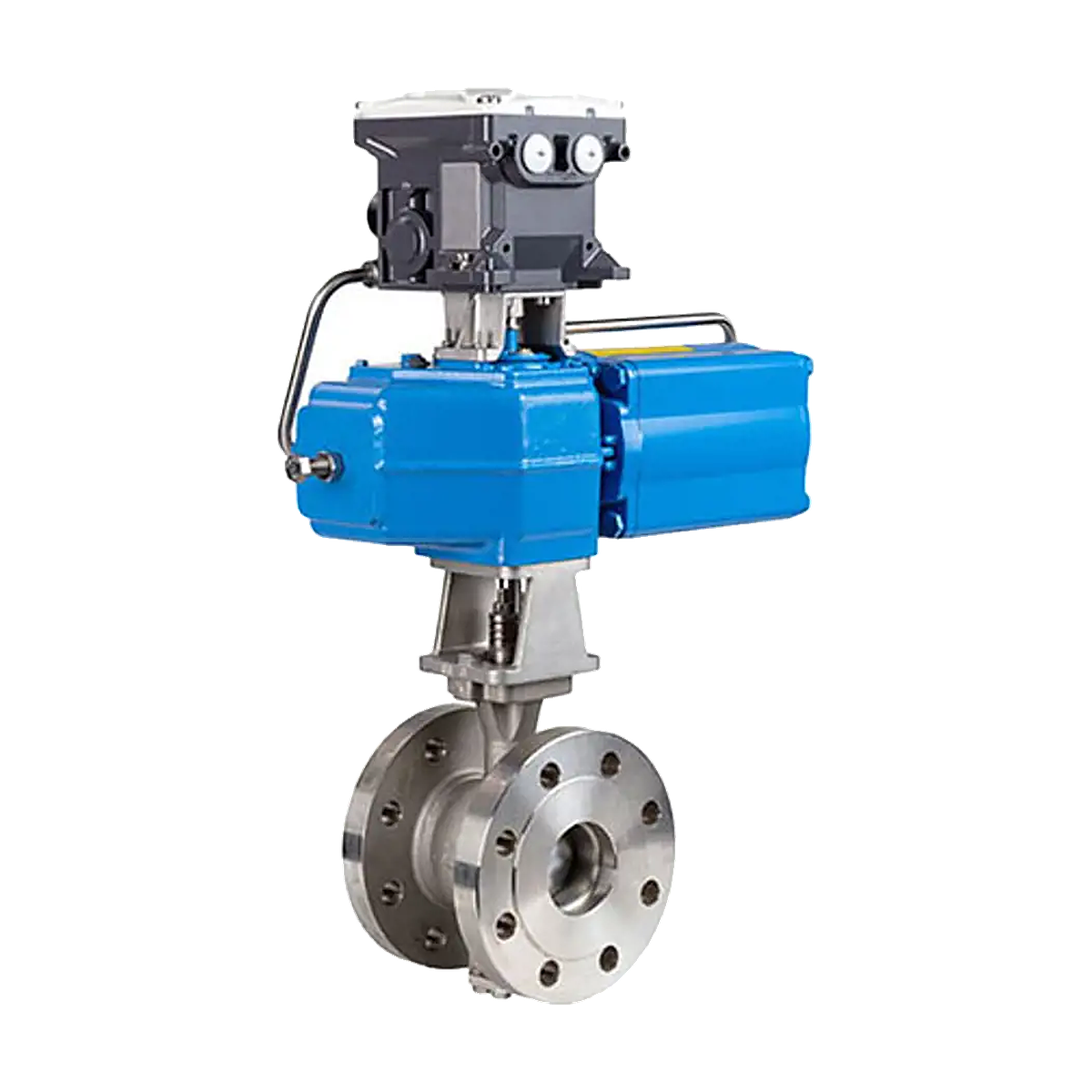
A segment valve uses only part of a ball, often with a V-shaped edge. As it opens the flow area grows progressively, giving high capacity and wide rangeability, and the shearing action between the segment and seat suits fibrous media and slurries.
- The Neles R-Series is described by Valmet as an economical, high-performance valve for liquid, gas, vapour and slurry service, from DN 100 to DN 800, with ISO 5208 Rate D (metal seat) or Rate C (soft seat) tightness.
- The RE-Series V-port segment valve adds standard and low-Cv trims plus optional Q-Trim™ to reduce aerodynamic noise and cavitation.
- For medium-consistency pulp (8–19%), the R2-Series MC uses a continuously expanding V-contoured flow path and an oversized outlet flange to prevent build-up.
| Ball valve | Butterfly valve | Segment valve | |
|---|---|---|---|
| Strength | Tight isolation, safety and severe service | Large sizes with low weight | Control with high capacity and rangeability |
| Valmet Neles examples | D-Series, Series X, M1 | Neldisc L6/LW/LG, BW, BN | R-Series, RE, R2 MC |
| Solids and fibre | Ceramic E-Series for erosive duty | Metal-seated BW for abrasive, high-cycle duty | Shearing action suits pulp and slurry |
| Typical sectors | Oil and gas, LNG, chemical, power | Water, refining, industrial gas, power | Pulp and paper, chemical, steam |
Selection checklist
- Decide whether the valve is mainly for isolation, control or both.
- For tight shut-off, safety or high-pressure gas, start with a ball valve such as the D-Series or Series X.
- For large line sizes where weight and face-to-face matter, look at triple eccentric butterfly valves such as the Neldisc range.
- For control of fibrous or slurry media, or where wide rangeability is needed, consider a V-port segment valve.
- Confirm size, pressure class, temperature and materials against the Valmet data sheet for your duty.
Territory Instruments can quote Valmet Neles ball, butterfly and segment valves with the actuator and valve controller to suit your process.
Frequently asked questions
Is a butterfly valve or a ball valve better for control?
Both can control. Valmet lists near equal-percentage characteristics for its Neldisc triple eccentric butterfly valves, while V-port segment valves such as the R-Series and RE-Series are designed specifically for wide-rangeability control. Ball valves are usually chosen first for tight isolation.
What is a segment valve?
A segment valve is a quarter-turn control valve that uses a partial ball, often with a V-shaped port. It gives high capacity and wide rangeability and is common in pulp and paper.
Which Valmet ball valve suits safety shut-off?
Valmet lists the Neles D-Series for ESD/ESV (SIL 3) and HIPPS duties when paired with a Neles B1 actuator and VG9000 safety solenoid.